How Cosmetic Product Packaging Influences Customer Buying Decisions
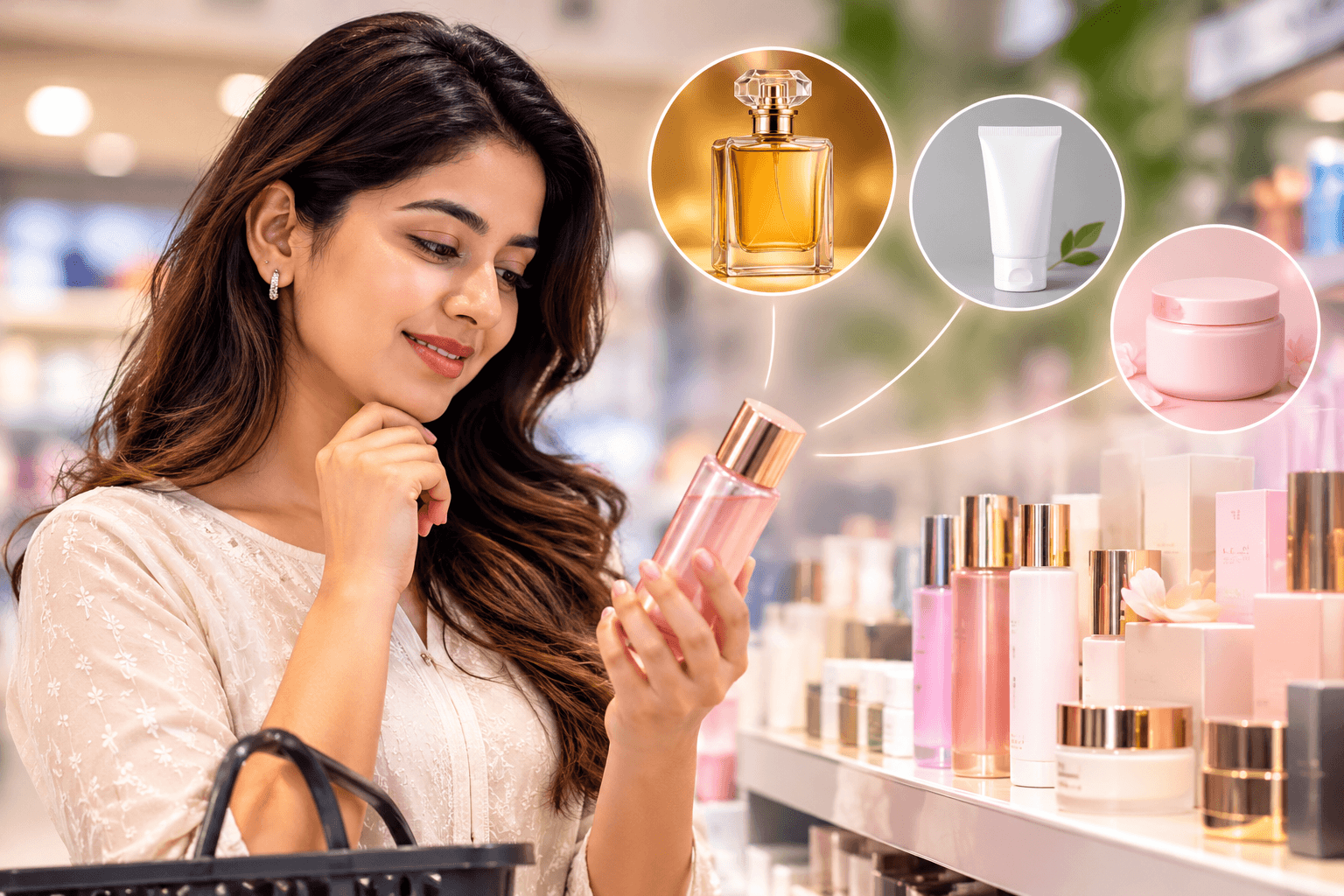
Walk into any beauty aisle and watch how people actually shop. They pick up a palette or tube, turn it in their hand, read the label, and put it back if the print looks off or the material feels flimsy. Cosmetics get judged on sight and touch before anyone tests the formula.
So, how does cosmetic packaging influence buying decisions? It shapes what a customer expects from the product inside, right down to the texture, the fragrance, and even the price they’re willing to pay. A case or jar that looks premium gets treated like a premium product.
This is why cosmetic product packaging carries so much weight in this industry. It protects a delicate formula and tells a brand’s story, both at once. Get either part wrong, and you lose the sale before the customer even opens the cap.
What Is Cosmetic Product Packaging?
It refers to everything that holds, protects, and presents a beauty product, from the jar or tube itself to the outer carton and labelling. Broadly, it splits into primary packaging (the container the product sits in) and secondary packaging (the box or carton around it).
Good cosmetic packaging boxes and beauty product packaging need to do three things at once: keep the product safe, stay easy to use, and look good enough to sell itself on a shelf. Miss any one of these, and the whole package seems cheap, even if customers can’t say exactly why.
How Cosmetic Product Packaging Influences Customer Buying Decisions
Creates a Strong First Impression
Packaging is usually the first thing a customer actually evaluates, well before ingredients or reviews come into play. Clean lines, a well-chosen colour palette, and sharp typography give a product an instant edge. That doesn’t mean attractive packaging guarantees a sale on its own, but it does buy the product a second look.
Communicates Product Quality
Print clarity, material choice, and finishing all send silent signals about quality. A jar with a solid cap and crisp printing feels more trustworthy than one with a fragile lid and blurry text. Cosmetic packaging printing that’s sharp and consistent tells customers the brand pays attention to detail, and that impression often carries over to how they judge the formula itself.
Builds Brand Recognition
Repeated colours, a consistent logo placement, and a signature design element make a brand recognisable across an entire product line. Branded cosmetic packaging lets customers spot a brand from across a store, without reading a single label, which matters once a brand sells more than one product.
Helps Products Stand Out From Competitors
Beauty shelves, both physical and online, are packed with near-identical options. An unusual shape, a distinct layout, or a finish nobody else is using gives a product a reason to get picked up. Custom cosmetic packaging lets a brand claim a specific look instead of blending into rows of lookalike bottles.
Influences Emotional Perception
Packaging also carries a mood. Minimalist design reads modern and understated. Elegant finishes suggest a premium product. Bold colours feel youthful and expressive, while natural textures and earthy tones point to something plant-based or eco-conscious. None of this works alone, though. Packaging sits alongside price, reputation, and reviews in shaping how a customer finally decides.
The Role of Cosmetic Packaging Printing in Customer Perception
Why is cosmetic packaging printing important?
Printing is what actually delivers a brand’s identity onto the box: accurate colours, sharp text, and legible product information. Without it, even a well-designed package looks unfinished.
Consistency matters just as much as quality. If cosmetic box printing looks slightly different from batch to batch, customers notice, even if they can’t explain what feels off. Getting colours and print quality right, every single time, keeps a brand’s shelf presence steady.
Why Custom Cosmetic Packaging Can Strengthen Brand Positioning
Custom cosmetic packaging gives a brand room to design around its actual product instead of settling for a generic box. Custom sizes, brand-specific artwork, consistent typography, and finishing choices all work together to reflect where a brand sits in the market and who it’s trying to reach. This kind of customisation supports a clearer brand identity, even if it can’t be credited with driving sales on its own.
How Branded Cosmetic Packaging Builds Customer Trust
Consistency reads as professionalism. When branded cosmetic packaging carries the same identity across an entire product range, with clear labelling and easy-to-understand information, customers start trusting the brand a little more with each purchase. Packaging becomes one part of a larger customer experience, not a one-time impression.
Important Elements of Effective Beauty Product Packaging
Colours and visual identity set the tone before anything else is read. Typography and readability keep product names and details clear, with fonts that stay consistent and easy to scan. Packaging structure needs to be sized right, protect the product, and open and close without a fight. Printing and finishing tie it together, since surface finishes and print quality decide how premium the final piece actually looks and feels.
Cosmetic Packaging Boxes: Balancing Appearance and Function
Cosmetic packaging boxes carry more responsibility than people assume. They protect products during handling and shipping, give a brand visibility on the shelf, and leave space for the product information customers need to read before buying. The best boxes never let looks get in the way of actually doing their job.
What Should Brands Consider When Choosing a Packaging Partner?
A reliable printing packaging company like Blossom Print & Pack offers strong print quality, real customisation options, and a solid range of materials and finishes. Beyond that, look for proper quality control, enough production capacity for your order sizes, some design support, and consistency that holds up across every batch. Experience specifically with cosmetic packaging is worth asking about too, since beauty products often have their own handling requirements.
Packaging Is Part of the Customer Experience
Cosmetic product packaging shapes how customers judge quality, recognise a brand, and decide whether a product deserves a place in their routine. It’s rarely the only reason someone buys, but it’s almost always part of the decision. If your packaging isn’t doing that work for you yet, it might be time to talk to a partner who understands cosmetic packaging and printing.
Frequently Asked Questions
Q1. Does packaging really affect whether someone buys a cosmetic product?
Yes, more than most brands expect. Customers form an opinion within seconds of picking something up, long before they check the ingredient list. If the packaging feels cheap or the print looks blurry, that doubt often carries straight over to how they judge the product itself.
Q2. What’s the difference between primary and secondary cosmetic packaging?
Primary packaging is whatever actually touches the product – a jar, tube, palette or bottle. Secondary packaging is the outer box or carton that holds it. Both need attention. A brand can get the jar right and still lose a sale if the outer carton looks like an afterthought.
Q3. Why does print quality matter so much for cosmetic boxes?
Print is what carries a brand’s identity onto the shelf. Sharp colours and clean text tell customers a brand cares about detail. Let print quality drift between batches, and people notice, even if they can’t say what’s different, and trust takes the hit.
Q4. Can custom packaging actually help a smaller cosmetic brand compete?
It can, especially on shelves crowded with similar-looking products. Custom sizing, brand-specific artwork, and a distinct finish give a brand recognition. It won’t replace a good formula or fair pricing, but it earns a product a second look it might not otherwise get.
Q5. What should a brand look for when choosing a cosmetic packaging partner?
Consistency across every batch, solid quality control, and enough production capacity to match order volumes. Design support helps too. It’s worth checking if they’ve handled cosmetics before; beauty products often need storage and handling that generic packaging companies overlook.